

Employee retention has become a critical challenge for companies, particularly in fast-paced, talent-driven industries like IT. Talent may be abundant in cities like New York or Miami, but the competitive landscape, employee expectations, and cultural fits add to the costly impact of turnover. The reasons why employees leave are often more complex than they seem.
Regardless of whether you’re a CIO, Director of IT, or even someone who aspires to be a hiring manager, understanding these nuances can significantly influence your ability to retain top talent. At Grant Wagner Talent, we specialize in helping companies access talent that is often overlooked, delivering a more personal service, and focusing on long-term retention through upskilling. Our ability to engrain ourselves in our client’s environment has led to the information below.
Are you ready to explore six key reasons you’re losing your best talent, along with actionable insights?
- Lack of Career Development Opportunities
A common reason for employee turnover is the absence of clear career growth opportunities. In 2024, Deloitte’s Global Survey showed that 60% of millennials and Gen Z believe they have the power to drive change in their organization but are often disillusioned by their current development opportunities.
Why They Stay: Companies that invest in professional development—offering mentorship, career pathing, and skill advancement opportunities—see higher retention. Employees who feel they are progressing are more engaged and likely to stay longer. Clients lean on us to close these gaps with Grant Wagner’s upskilling and reskilling services. We help companies align their leadership with employees’ development goals, ensuring a mutual growth path that can significantly reduce turnover.
- Burnout from Overwork
IT professionals are particularly vulnerable to burnout due to demanding projects and frequent tight deadlines. A 2022 McKinsey Health Institute survey found that 28% of U.S. employees experience burnout, and 32% feel distress. This is not just an IT problem but an organization-wide challenge that leads to reduced productivity, absenteeism, and eventually resignation.
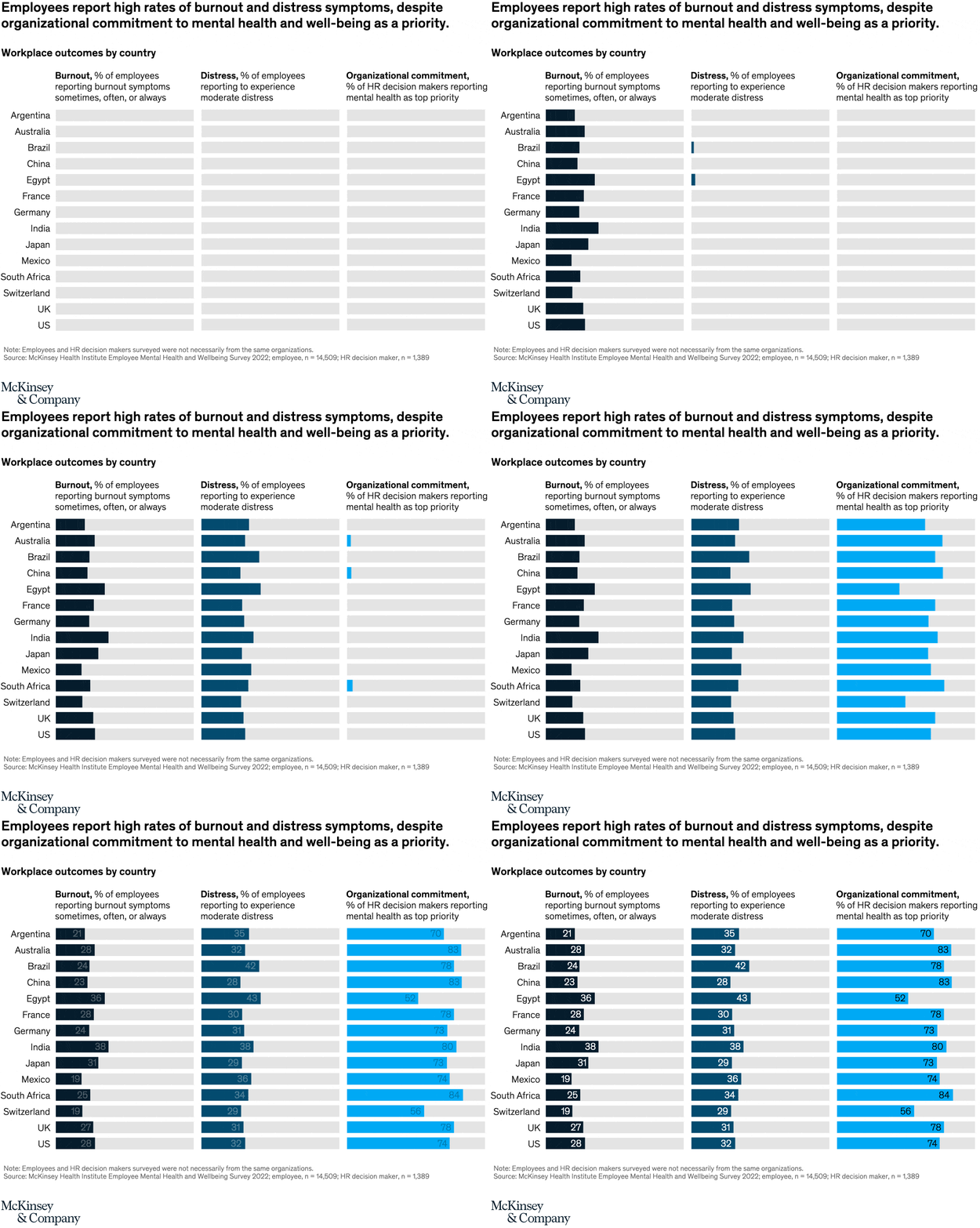
Why They Stay: Employees are more likely to stay when they feel their workload is manageable and when they receive the right support. Solutions like flexible work arrangements, mental health support, and proactive workload distribution are essential.
- Inadequate Compensation and Benefits
Pay dissatisfaction is consistently a top factor driving turnover, particularly in high-cost cities like New York and Miami. Competitive pay isn’t the only factor in today’s world. What were once considered perks, are now part of the negotiation and decision-making process. Remote work, flexible work schedules, and perks at the office all factor into an employee’s decision to stay or go.
Why They Stay: Competitive pay aligned with industry standards is critical, but comprehensive benefits, such as remote work, flexible hours, and health incentives, are increasingly important. Your current partners should be offering you insights into competitive salary benchmarks and compensation packages that appeal to modern professionals.
- Poor Leadership and Lack of Trust
According to Harvard Business Review, nearly 58% of employees would trust a stranger more than their boss, showing how poor leadership can drive employees away. Employees who don’t feel supported by their managers are much more likely to disengage and leave.
Why They Stay: Companies that invest in leadership training and emotional intelligence tend to see better retention. Leaders who listen, provide feedback, and foster trust are critical to keeping employees engaged.
- Limited Work-Life Balance
In 2024, Deloitte reported that 55% of millennials and 61% of Gen Zs work in hybrid or fully remote environments, emphasizing the importance of work-life balance. Those who lack flexibility in their schedules or feel overworked are more likely to leave for companies offering better balance.
Why They Stay: Offering flexible hours, remote work, and generous time-off policies helps create a healthy balance. Employees are more satisfied when they can control how and where they work.
- Cultural Misalignment
2023, a report by the Work Institute revealed that organizational culture plays a significant role in employee retention. The report showed that “organizational culture” was cited as a reason for leaving by 7.8% of employees, indicating that a misaligned or negative workplace culture directly contributes to turnover. The same study emphasized that employees who experienced confusion around changing work models, such as hybrid or remote setups, and were burdened with additional duties after colleagues left, were more likely to leave due to cultural dissatisfaction.
Why They Stay: A positive, inclusive, and purpose-driven culture can be a powerful retention tool. Companies that promote diversity, celebrate individual contributions, and maintain strong ethical standards keep employees engaged and loyal. At Grant Wagner, we focus on cultural fit during the hiring process, ensuring that new employees align with your company’s mission and values.
Final Thoughts:
By addressing these six key areas, IT leaders can strengthen their retention strategies, creating teams that thrive in today’s dynamic work environment.
The Grant Wagner Difference
At Grant Wagner, we understand that employee retention goes beyond offering good salaries or perks—it’s about cultivating an environment where employees feel valued, supported, and empowered to grow. Our expertise in the IT industry, industry connections, and commitment to helping companies tap into often-overlooked talent are what set us apart. We work with you to build a team that not only performs well but stays with your company for the long haul, ensuring that you maintain a competitive edge in the IT sector.
If you’re interested in learning more about the Grant Wagner difference and how we can benefit your organization, please contact us here to schedule an appointment.

Damien Howard
Damien Howard is the CEO & Founder of Grant Wagner, a national staffing firm devoted to developing business driven and nuanced talent solutions for small to enterprise level firms. Damien is a Forbes Council Member and a sought-after speaker and subject matter expert who has been featured by Forbes, Gartner’s 50th Anniversary Conference, Grow with Google, Triple Pundit, Capgemini’s Future-ready talent for sustainable impact, JFF Horizons, SHRM, The World Economic Forum, The 3rd Annual Leading Private Equity Growth Event – The Big Exit 2021 and more.
Unlock Your Team's Potential with Our IT Staffing Solutions
Discover how our expert IT staffing services can help you achieve your goals.